
What Mainland Buyers Often Overlook When Purchasing on Maui
Knowledge is the difference between a good purchase and the right one.
August 5, 2026
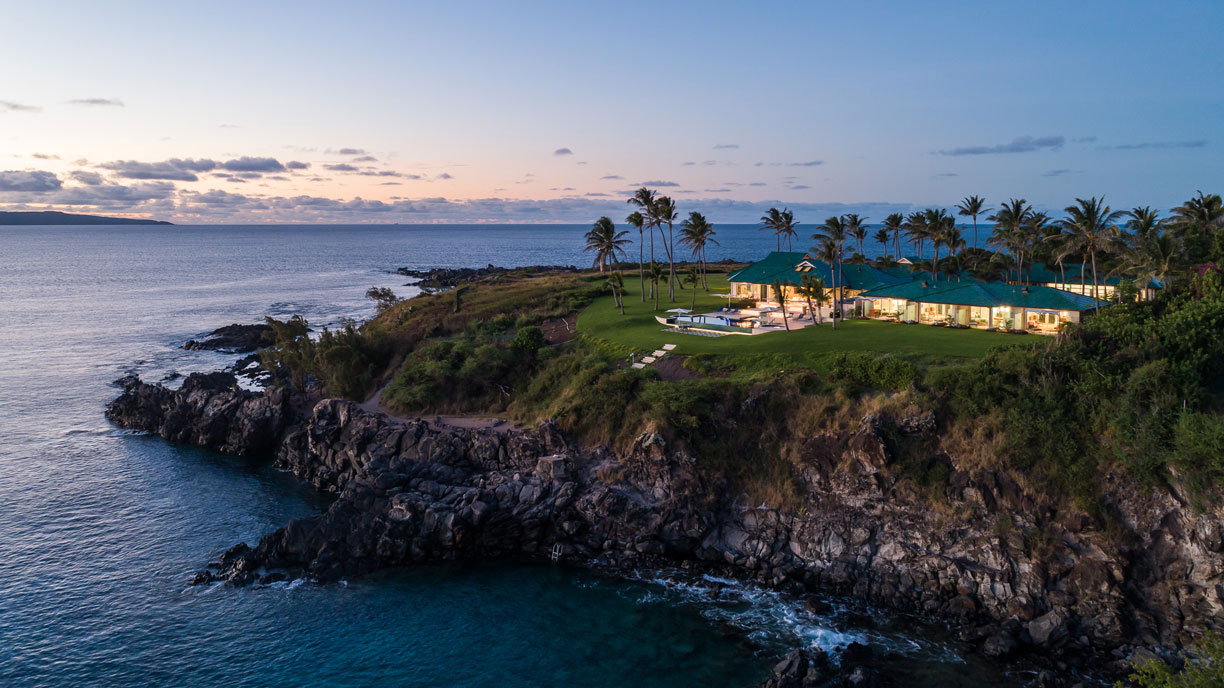
Buying real estate in Hawaii is not the same as buying real estate on the mainland. That may seem obvious. But in almost 40 years of working with buyers in West Maui, I have seen highly sophisticated people - executives, attorneys, investors who own multiple homes - get surprised by things they did not know to ask about.
The Island Premium Is Real and Pervasive
You already know that premium markets command premium prices. What is less obvious until you are living it is how deeply the island premium penetrates every aspect of ownership here.
Everything arrives by ship or by air. Labor, materials, contractors, appliances - all of it. What this means in practice is that ownership costs run meaningfully higher than comparable properties on the mainland, and renovation or construction budgets need to reflect that reality from the beginning. I have seen experienced developers, people who build significant projects on the mainland, consistently underestimate what it costs to do the same work here. The ones who budget conservatively from the start are rarely surprised. The ones who apply mainland assumptions to island projects occasionally find themselves in an uncomfortable position.
If you are considering a property that needs work, or a site on which you want to build, factor in the premium before you fall in love with the numbers.
Insurance and Taxes Have Changed
This is an area where even recent experience on the mainland does not necessarily prepare you for what you will find here.
Insurance on luxury properties in Hawaii - particularly oceanfront and elevated coastal properties - has become significantly more complex and more expensive. The layers required for comprehensive coverage, homeowner's, flood, and in some cases wind and erosion, add up to a carrying cost that deserves serious analysis before you close. I recommend getting detailed quotes early, not as a formality, but as genuine input into your decision.
Property taxes in Maui County are set locally and vary based on classification and use. What catches many experienced buyers off guard is the tiered rate structure: as assessed value increases, the applicable rate increases with it. This applies across the board, but at the level of the market most of my clients are operating in, the compounding effect of higher assessed values and higher rates makes property taxes a more significant line item than buyers typically anticipate coming from the mainland. The structure also rewards primary residence ownership and penalizes short-term rental activity, so how you intend to use the property has a direct impact on what you will pay.
At the highest levels of this market, property taxes can be a meaningful annual commitment. They belong in your underwriting from the beginning, alongside insurance, maintenance, and HOA costs, not as an afterthought.
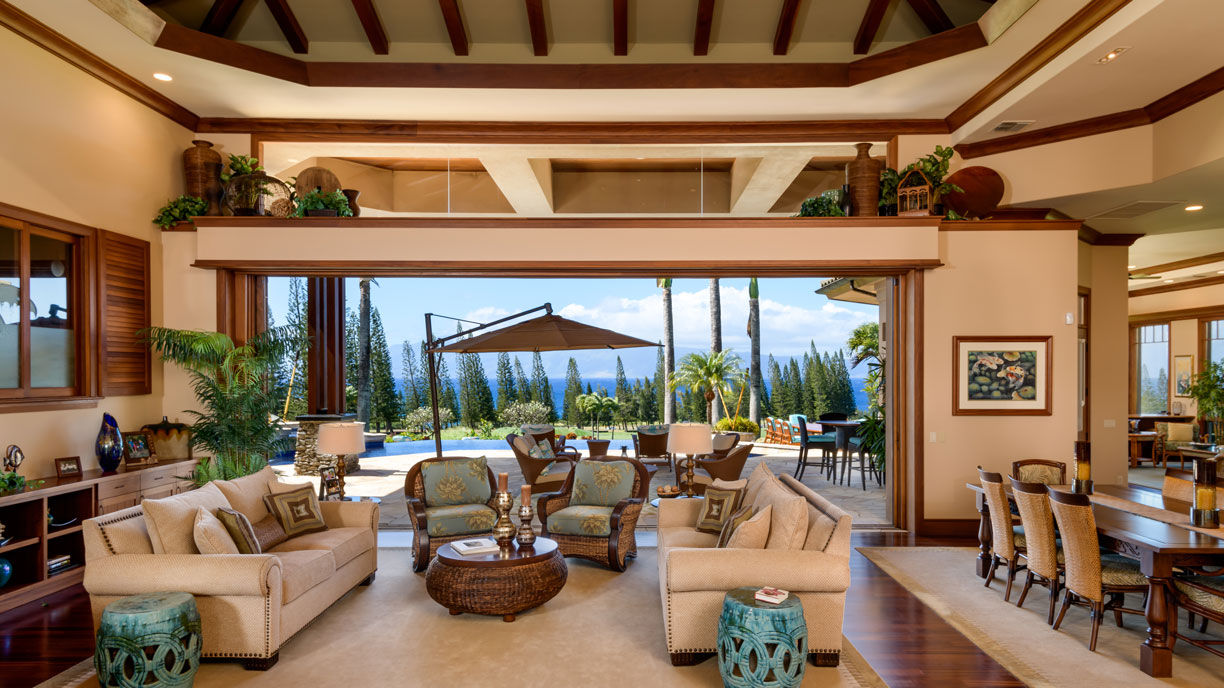
The Rental Environment Is Restrictive and Getting More So
If you are accustomed to markets where short-term rental of a vacation property is straightforward, Maui will require an adjustment in your thinking.
Maui County has moved aggressively to restrict short-term rentals in residential and apartment zones, and enforcement has increased substantially. A valid Transient Vacation Rental or Bed and Breakfast permit is required to rent legally for periods under 180 days - and not every property has one, regardless of how it has been marketed. Some communities that previously permitted short-term rentals no longer do.
If rental income is part of your ownership calculus, verify the permit status of any property before you proceed, and engage counsel with specific Maui County regulatory expertise. The penalties for non-compliance are real, and the regulatory environment continues to tighten.
Hawaii Has Its Own Land Ownership Structure
You may already know this, but it is worth confirming: in Hawaii, the distinction between fee simple and leasehold ownership carries consequences that do not exist in most mainland markets.
Fee simple is straightforward - you own the land. Leasehold means you own the structure on land you lease, typically from a family trust or kamaaina estate that has held the underlying land for generations. The financing implications alone - many lenders will not touch leasehold - make this a fundamental question, not a detail.
In the communities I represent, the majority of significant luxury properties are fee simple. But I confirm this on every transaction, without exception.
Transactions Here Move Differently
Escrow periods in Maui typically run 30 to 60 days. That is not unusual by itself. What is different is the coordination required when you are buying from thousands of miles away - inspections, property disclosures, title review, and closing logistics all need experienced local management that a mainland transaction does not require in the same way.
The most significant properties here also rarely surface publicly. They move through relationships, often before anything resembling a listing exists. If you are working without local representation, or with someone whose practice is not specifically in this market, you are likely not seeing the full picture.
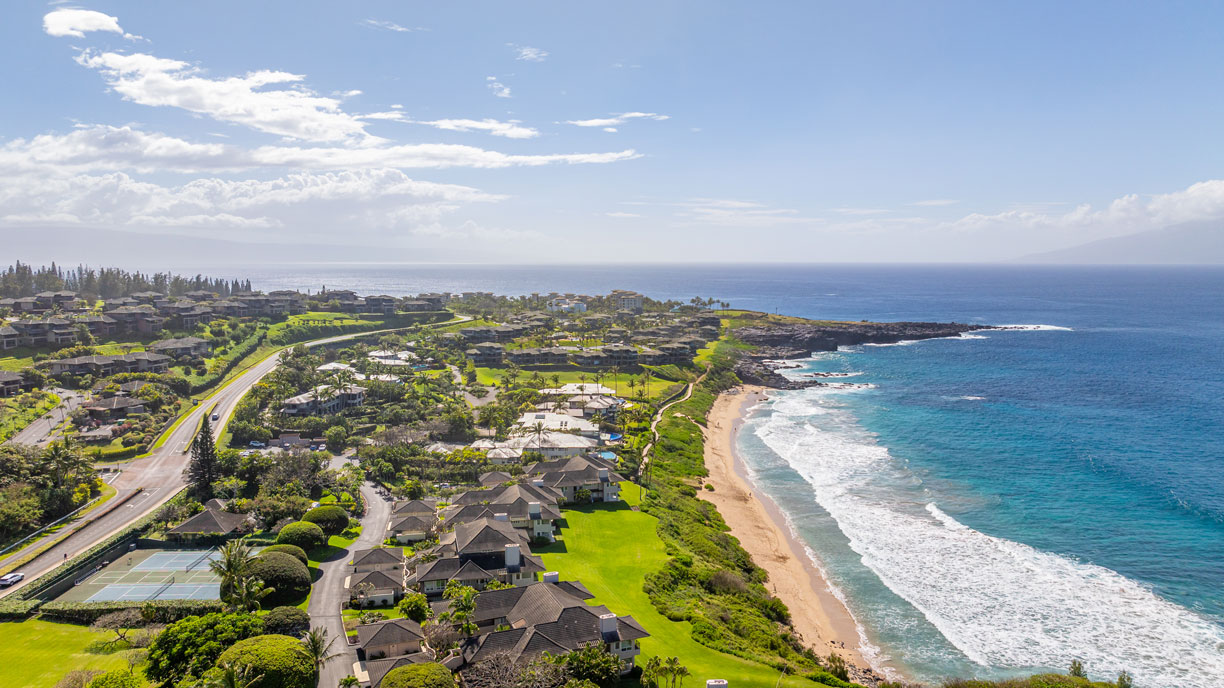
What Local Representation Actually Means Here
In most markets, an experienced buyer can compensate for average representation with their own diligence. In West Maui's luxury segment, I would push back on that assumption.
This is a market defined by relationships, local knowledge, and access that takes decades to build. Almost 40 years in this corridor has given me something that cannot be assembled quickly: a precise understanding of what every significant property is worth, what it has historically transacted for, and what it will actually cost to own. It has also given me relationships with the sellers, attorneys, and advisors who control access to properties that never become public listings.
That is not a credential. It is a practical advantage that directly affects what you are able to buy, at what price, and with what confidence.
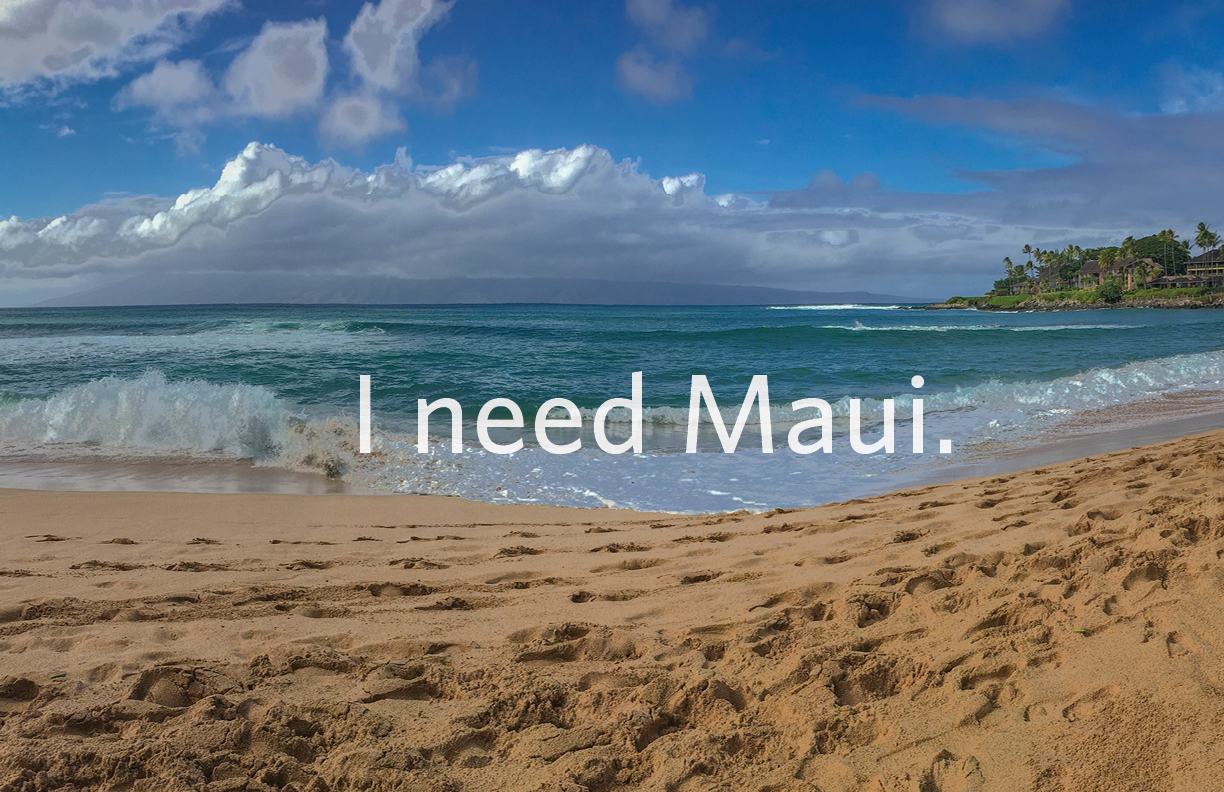
At some point, Maui stops being a place you are considering and becomes a place you need. I have seen it happen with almost every client I have worked with over almost 40 years.
More Maui Real Estate News
MARY ANNE FITCH
REALTOR® · RB-15747 · SENIOR PARTNER
GLOBAL LUXURY SPECIALIST
