
Choosing Between Kapalua and Wailea|Makena
Two exceptional addresses. One that will feel like yours.
September 7, 2026
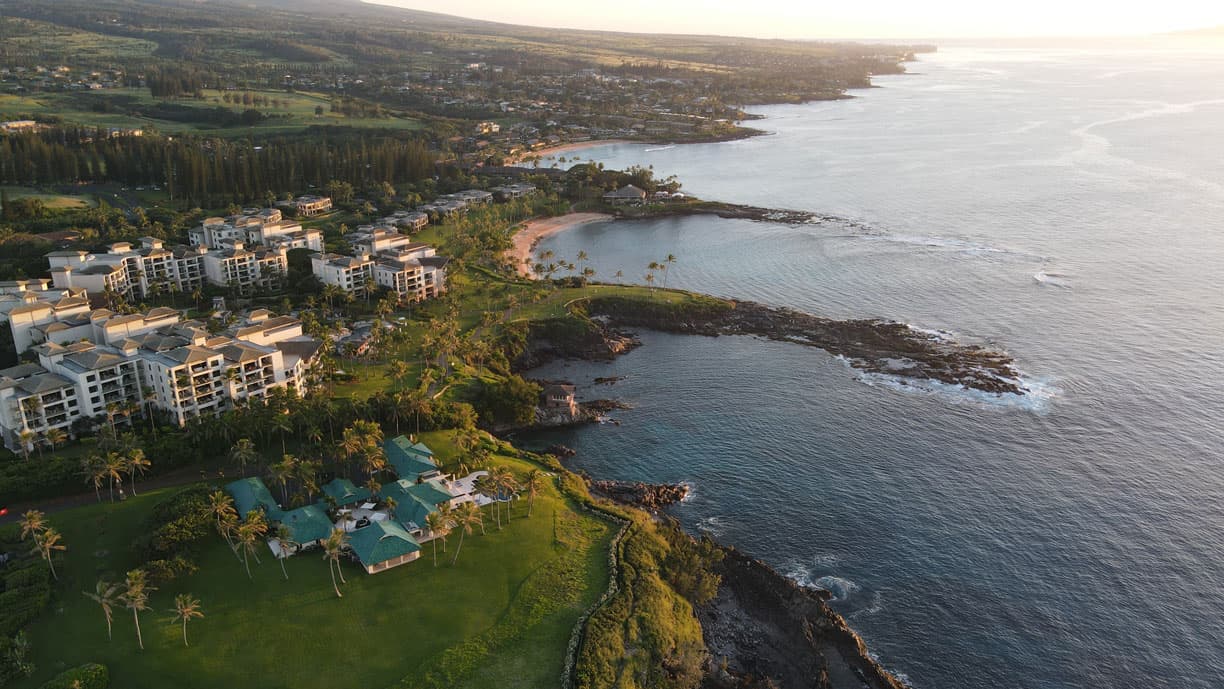
Of all the questions I am asked by buyers who have done their research, this one comes up most often: Kapalua or Wailea? Sometimes Makena enters the conversation too, which is the right instinct and a distinction worth making.
Both sides of the island represent the highest expression of Maui luxury living. But they represent it very differently, and the right choice depends entirely on what a buyer values most and how they intend to live here.
Let me share what almost 40 years on this island has taught me about that question.
Two Different Islands
Kapalua is West Maui. Wailea and Makena are South Maui. The distance between them is roughly 40 miles by road, but experientially the gap is wider than that. They have different microclimates, different community characters, different relationships to the natural landscape, and different buyer profiles.
West Maui is older, more established in its identity. The communities here - Kapalua, Napili, Kaanapali, Lahaina, Launiupoko - have decades of history and a particular character that long-term owners recognize and return to year after year. The landscape is more dramatic: volcanic ridgelines, lush valleys, and a coastline that moves between protected bays and open ocean exposure.
South Maui developed later, and its character reflects that. It is more planned, more uniform in its luxury presentation, and benefits from the consistently sunny, dry weather that the leeward side of Haleakala provides.
The Weather Distinction - and What It Does Not Tell You
Wailea and Makena enjoy more predictable sunshine. Their leeward position means less rainfall and fewer of the brief tropical showers that occasionally move through the West Maui Mountains. For buyers whose primary concern is uninterrupted sun, South Maui has a statistical advantage in the morning hours.
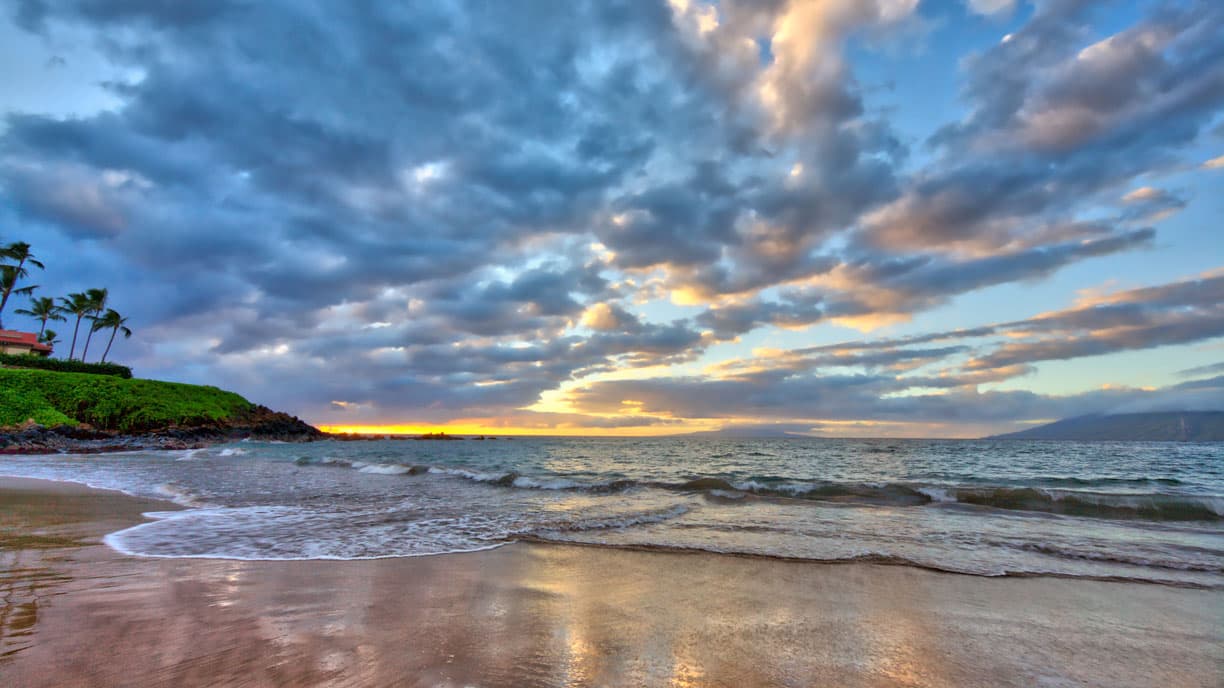
What is less often mentioned is what happens in the afternoon. Maui's geography - the valley between Haleakala and the West Maui Mountains - creates a natural wind corridor, and strong afternoon trades are not uncommon on the South Maui coast. Buyers who have spent time in Wailea in the afternoon already know this. It does not diminish what South Maui offers, but it is part of the honest picture.
West Maui - and Kapalua in particular - is more verdant, and the reason is moisture. The West Maui Mountains catch trade wind rainfall, which feeds the lushness of the landscape. The difference between a Kapalua garden and a Wailea landscape is immediately visible: one is tropical in a deep, living sense. Both are genuinely beautiful. They are simply different expressions of what Hawaii looks like.
Wailea: Resort Life at Its Most Polished
Wailea is South Maui at its most refined. The Four Seasons, Andaz, Grand Wailea, and Fairmont Kea Lani anchor a resort corridor that offers world-class dining, spa facilities, and beach services within a compact, walkable geography. For buyers who value that kind of seamless luxury - where everything is close, everything works, and the standard of service is consistently high - Wailea delivers it better than almost anywhere in Hawaii.
Wailea Beach, Polo Beach, and Ulua Beach are among the finest in the state - wide, sandy, and calm enough for swimming year-round. The sunshine is consistent, the infrastructure is impeccable, and the overall experience is one of effortless ease that few resort communities anywhere in the world can match.
The real estate here reflects that positioning. Significant oceanfront estates, luxury condominium residences, and golf course properties sit within a thoughtfully planned community that has maintained its standards over decades. Long-term values have been strong, and the market attracts a globally sophisticated buyer base that understands what Wailea represents. For buyers whose priority is a turnkey luxury experience, it is a genuinely compelling answer.
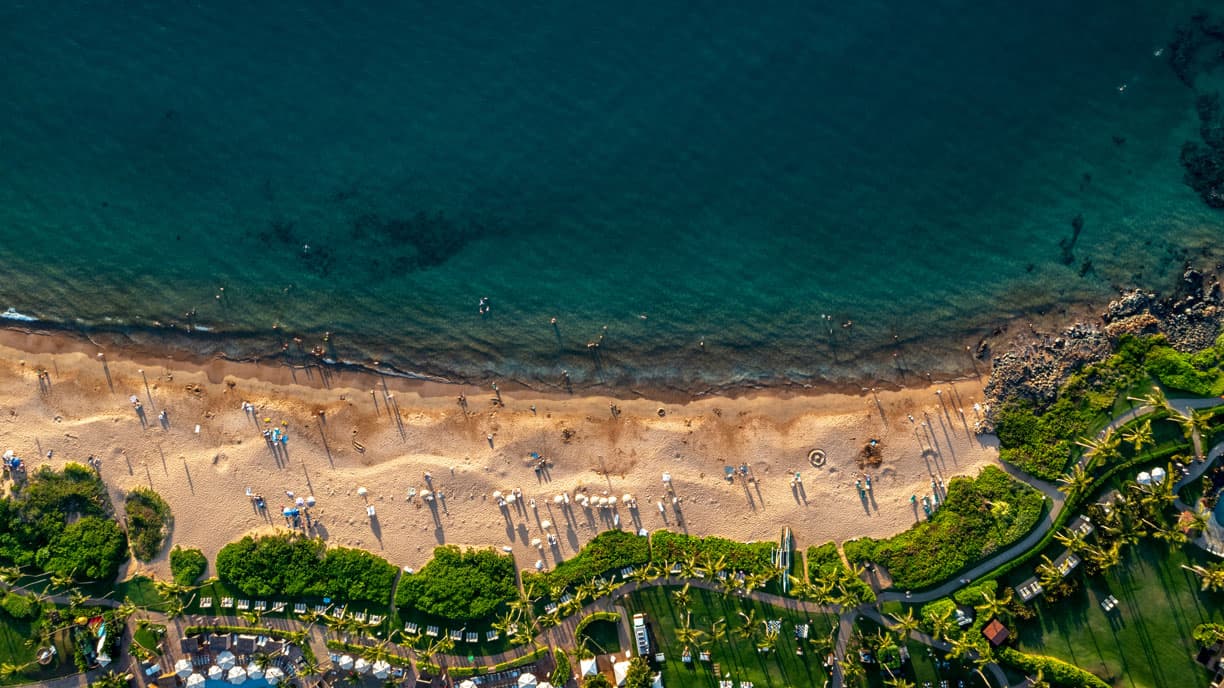
Makena: South Maui's Quieter Side
Makena sits just south of Wailea, and understanding it today means understanding that it is really two distinct communities sharing the same coastline.
The arrival of Discovery Land Company has transformed one part of Makena into one of the most exclusive private club developments in the world. The caliber of construction, the amenities, and the buyer profile it attracts represent a specific and deliberate vision of luxury. It has had a significant economic impact on the area and has put Makena on the radar of buyers who might never have considered South Maui before.
Then there is the other Makena, the one that existed long before Discovery arrived. The oceanfront estates along Makena Road represent a different philosophy entirely. Homes built for privacy, for the land, for a relationship to the ocean that has nothing to do with amenities or brand affiliation. Owners here prize what Makena used to be and largely still is beyond the gates of the new development: quiet, unhurried, and reminiscent of the Hawaii that most of the island has left behind.
These two communities coexist but they attract very different buyers. Which Makena appeals to you says something specific about what you are looking for.
Kapalua: A Different Proposition Entirely
Kapalua occupies the northwestern tip of Maui, where the West Maui Mountains descend toward the ocean through a landscape that is genuinely, deeply tropical. This is not the manicured luxury of Wailea, nor the brand-driven exclusivity of Discovery. It is something quieter and, for the right buyer, something more compelling.
The lushness here is real. Rainfall from the West Maui Mountains feeds dense tropical vegetation, mature gardens, and forested ridgelines that dissolve into cloud. Kapalua Bay and Oneloa Bay are Marine Life Conservation Districts and among the finest swimming and snorkeling in the Pacific. Miles of coastal and mountain trails wind through the resort and into the landscape beyond — one of Kapalua's most underappreciated qualities and one that long-term owners consistently mention.
What ownership looks like here varies considerably. Some buyers are drawn to the oceanfront condominium experience of the Resort at Kapalua Bay or the quieter residential intimacy of Coconut Grove or the Ironwoods. The Kapalua Villas - the Golf, Ridge and Bay - spread across a significant acreage and were originally built for vacation ownership, a character they retain today. Others want land — the elevated privacy of Plantation Estates, Honolua Ridge, or Mahana Estates above the resort, where the views extend from the mountains to the ocean and the nearest neighbor is not visible from the lanai. Closer to the resort amenities, Pineapple Hill offers luxury single-family homes within steps of everything Kapalua provides. All of it shares the same essential quality: a sense of place that feels rooted in the landscape rather than imposed upon it.
The buyers who choose Kapalua have typically considered every option and deliberately chosen the one that feels most like a real community. The social life here is genuine — neighborly, unpretentious, built over years rather than orchestrated around a resort calendar. They are not here for the scene. They value what the island actually is, not what it has been designed to look like.
What Long-Term Owners Tell Me
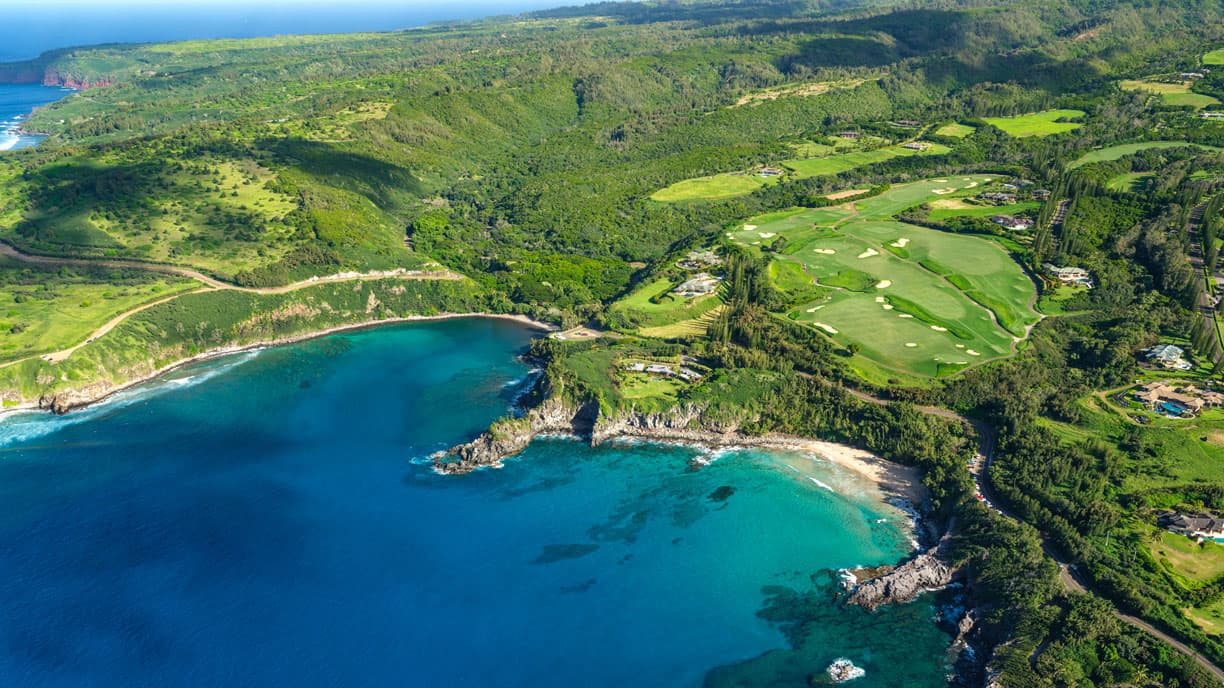
I have represented clients in both markets over many years. The buyers who have stayed longest, who return year after year and who eventually make Maui their main home, are overwhelmingly in West Maui. When I ask them why, the answers are consistent: the relationship to the natural landscape, the sense of community among long-term owners, and the feeling that West Maui has a character of its own that no amount of resort development can manufacture. Some buyers know immediately which character they are seeking. Others need time on both sides of the island before the answer finds them.
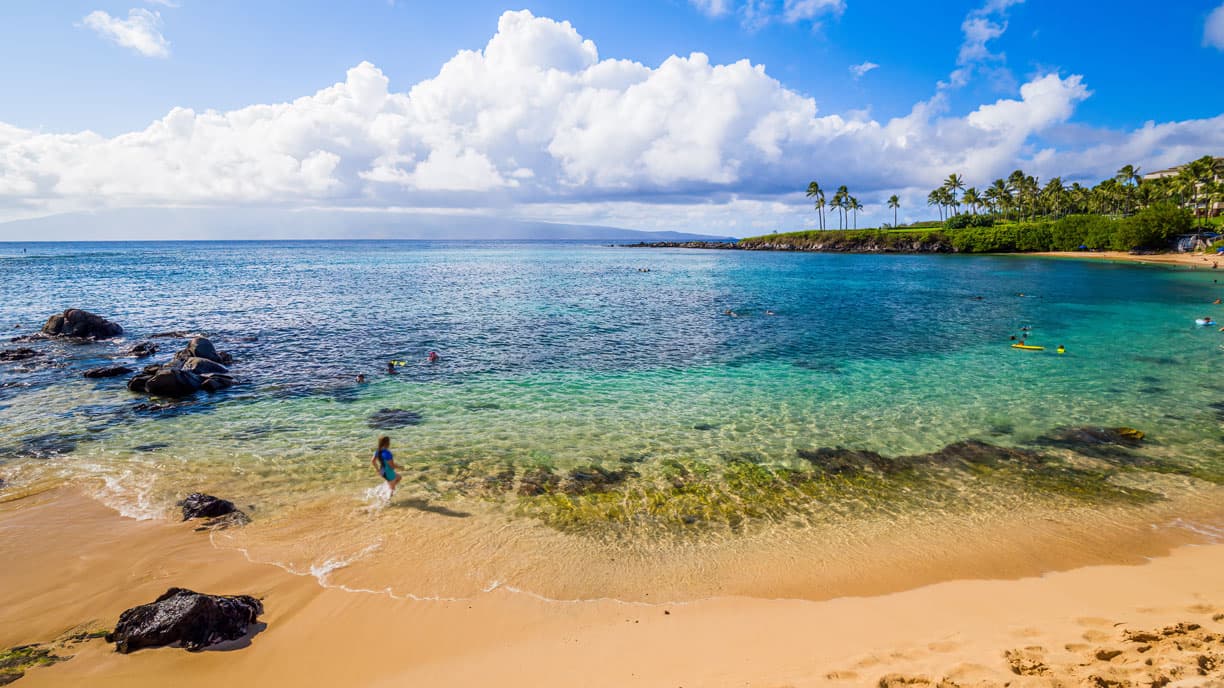
And the answer is usually already there. They have known since the first morning they woke up on one side of this island and felt, without quite being able to explain it, that they were exactly where they were supposed to be.
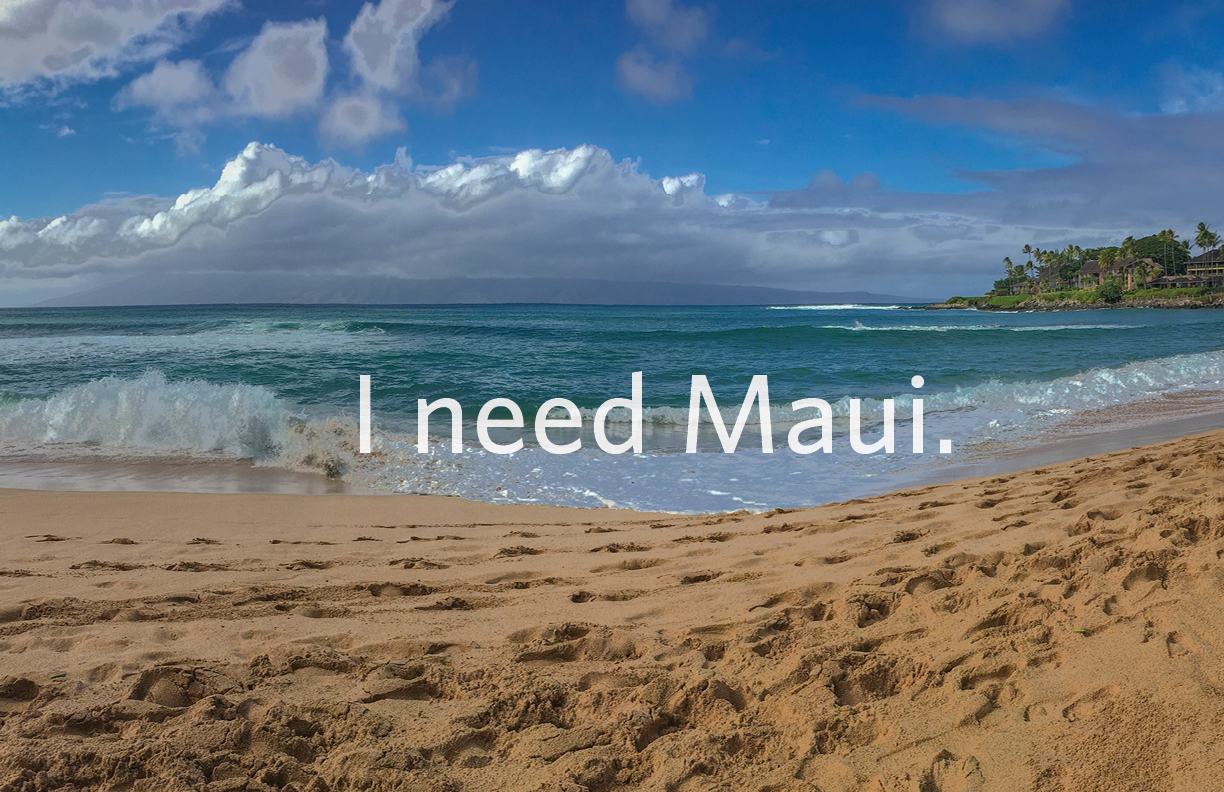
My job is simply to help them trust that.
More Maui Real Estate News
MARY ANNE FITCH
REALTOR® · RB-15747 · SENIOR PARTNER
GLOBAL LUXURY SPECIALIST
